

From Vision to Action: Towards a Plastic-Free Kumbh and a Living Godavari
The call to protect rivers and live in harmony with Nature has been central to Sri M’s work for decades. In recent years, this vision has taken a clear and determined form in Nashik, where preparations for the Kumbh Mela of 2027 are being shaped by a long-term ecological commitment, rather than last-minute interventions. The objective is clear and formidable: a plastic-waste-free Kumbh Mela and the rejuvenation of the Godavari River at its very source.
Foundations Laid in 2022

The groundwork for this effort was laid in 2022. At Sri M’s behest, a Working Group on Revival of Rivers and Water Management was constituted under the Civil 20 (C20) engagement group of the G20 process. This brought river rejuvenation, groundwater security, and community-led water management into global policy conversations. The group emphasised that rivers must be approached as living ecosystems and not merely as water channels.
The same year also saw the strengthening of field-based efforts under what became formally articulated as the Aviral Godavari Mission. Activities with a focus on soil and water conservation, afforestation, and revival of traditional water structures began in and around Nashik and the Brahmagiri, Godavari’s origin and recognised as one of the most ecologically sensitive and spiritually significant landscapes of the region.
Key interventions include:
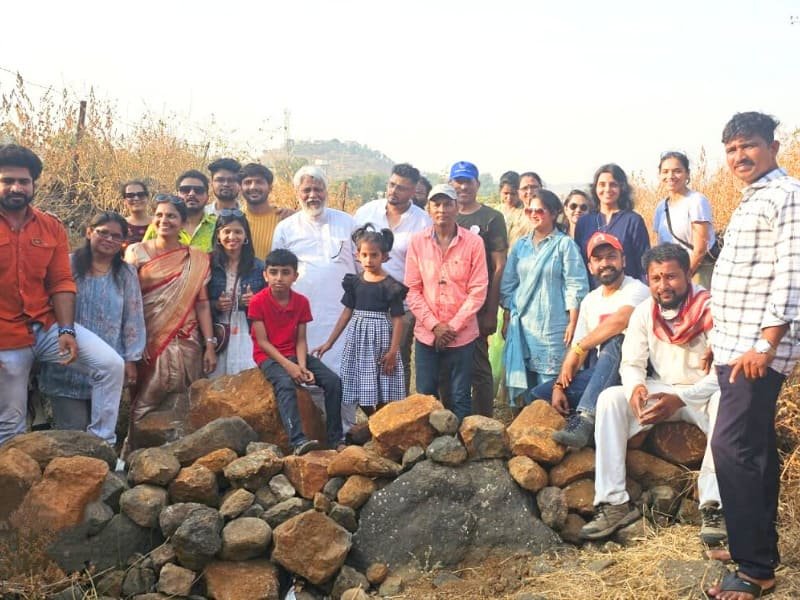
- Construction of loose boulder dams (bandharas) on hill slopes and seasonal streams to slow runoff, enhance groundwater recharge, and reduce soil erosion. Since 2022 volunteers and local residents have built 25 bandharas.
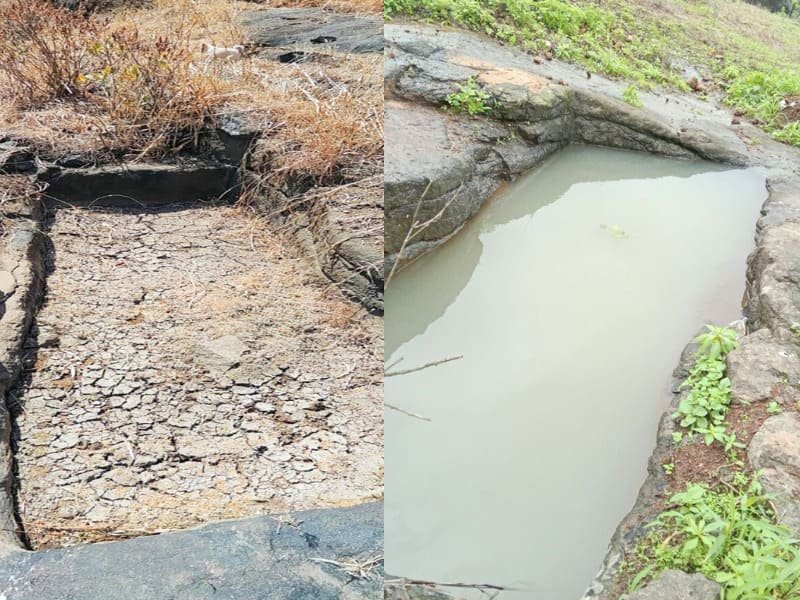
- Rejuvenation of ancient kunds and water bodies (11 altogether so far) at an average elevation of 890m on Brahmagiri through desilting and structural restoration, helping revive perennial springs that feed the Godavari.
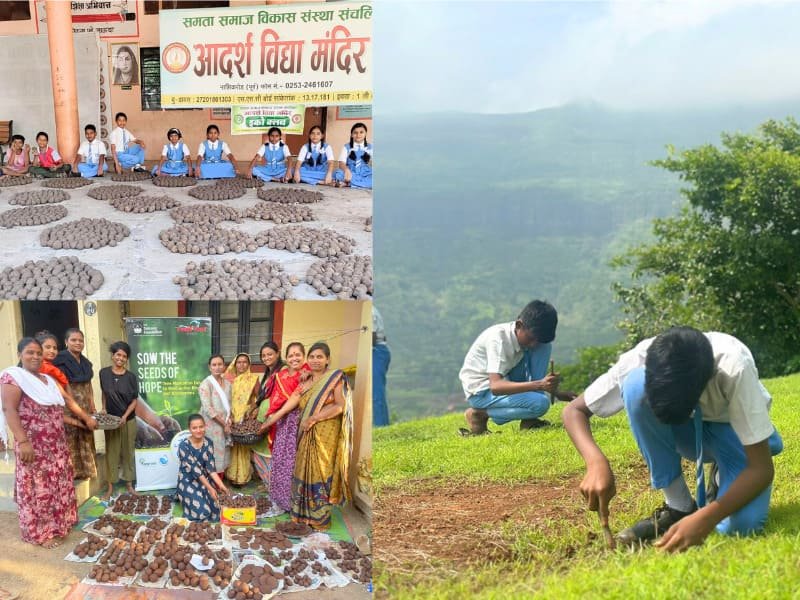
- Afforestation and seedball dispersal under the MyTree initiative, involving volunteers, students, and local communities. Over 32,000 seedballs of native species trees and plants have been created and dispersed, complemented by plantation drives and ongoing sapling care (around 1,500 saplings and growing).
These interventions are rooted in traditional ecological knowledge, combined with modern watershed management practices, and aim to ensure that the Godavari remains truly aviral, flowing continuously through the year.
The 2023 Declaration of a Plastic Waste-Free Kumbh in Nashik

In October 2023, Sri M’s long-held vision found a powerful public expression in Nashik.
On 2 October 2023, a large-scale cleanup drive was undertaken along a 10-kilometre stretch of the Godavari, from Anandwalli to Ramtirth. Thousands of volunteers from schools, colleges, social organisations, civic bodies, and government departments participated. This was explicitly articulated as a beginning towards making Nashik and the Kumbh Mela of 2027 plastic-waste free.


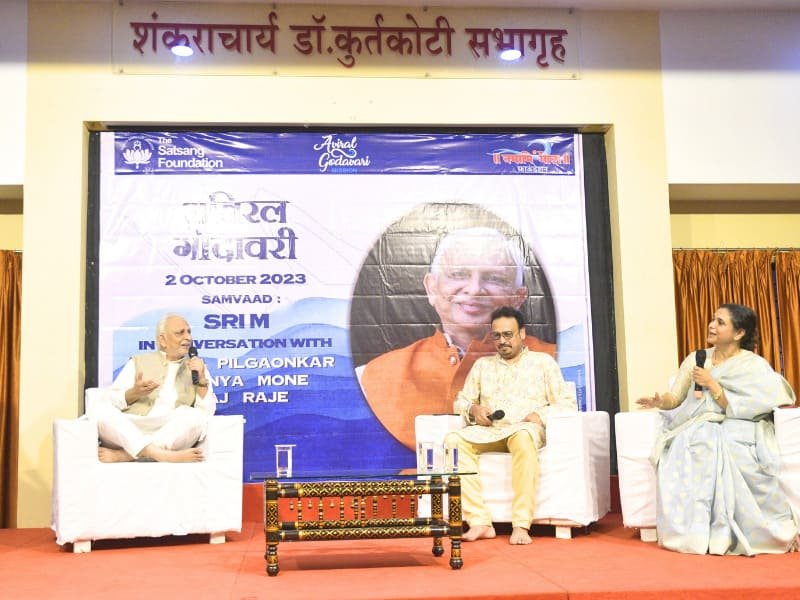
Sri M interacted with volunteers along the riverbanks and addressed the gathering at the Godavari ghat. He emphasised the intrinsic link between the wellbeing of rivers, the environment, and human society, and stressed the urgent need to change how we relate to Nature. He particularly called upon the younger generation to lead this shift. Participants collectively took a water pledge to work for the protection and rejuvenation of the Godavari. Schoolchildren creatively highlighted the scale of plastic pollution by constructing a large “monster” using the waste they had collected.
That evening, a Samvaad with Sri M in Nashik explored themes of elevated consciousness, human responsibility, and the relationship between inner awareness and ecological balance.

On 3 October 2023, Sri M and Dr. Rajendra Singh formally inaugurated restoration work on ancient kunds on the Brahmagiri mountain, reaffirming the importance of reviving sacred water systems at the river’s origin.
It was during this period that Sri M clearly and unequivocally declared that the Nashik Kumbh Mela of 2027 must be a plastic-waste-free event, a commitment that continues to guide all subsequent initiatives.
My Bhoomi and Community Sensitisation
Parallel to river restoration work, The Satsang Foundation’s My Bhoomi initiative has focused on reducing single-use plastic and promoting responsible waste management. Using the practical framework of the 4 Rs: Refuse, Reduce, Reuse, Recycle, My Bhoomi works through education, community engagement, and infrastructure support.


Key efforts include:
- Partnership with TAA/Sagar Mitra Abhiyaan, holding sensitisation sessions in schools across Nashik, reaching thousands of students and empowering them as sustainability ambassadors within their families.
- Plogging drives at the riverbanks, public spaces and on the Brahmagiri to recover plastic waste and build community ownership of public spaces.
- Installation of waste bins in the ecologically sensitive zones on Brahmagiri, and engagement with local shopkeepers to prevent plastic leakage into natural ecosystems.
- Monthly dry plastic collection drives in housing societies, with waste sent to authorised recyclers.
Through these efforts, My Bhoomi demonstrates that sustainable living becomes achievable when awareness is paired with consistent action and supportive systems.
Kumbh Se Kumbh Tak: A Living Pledge
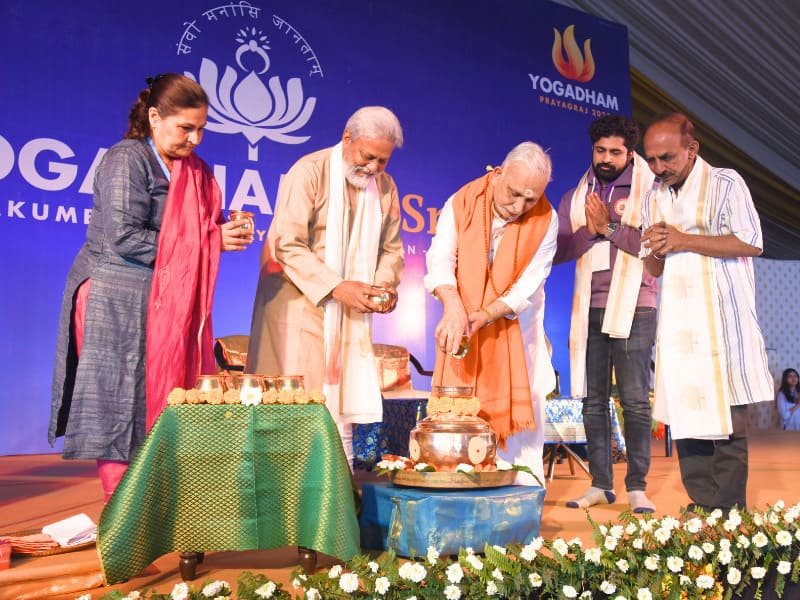
The phrase “Kumbh Se Kumbh Tak” took on deep significance at the Mahakumbh in Prayagraj in 2025. On that occasion, waters from several holy rivers of India were ceremonially brought together in a symbolic sangam (confluence) and will be taken to the Godavari for the Nashik Kumbh in 2027.
At Prayagraj, Sri M reiterated the pledge to rejuvenate the Godavari, reaffirming that the journey from one Kumbh to the next must be marked by responsibility, continuity, and visible ecological healing. The symbolic act underscored a living commitment, not only to ritual purity but to the actual revival of rivers and the ecosystems and communities that depend on them.
Looking Ahead
From policy advocacy at the global level to soil, water, and community work on the ground, the journey towards a plastic-waste-free Kumbh and a living Godavari is already well underway. What began as a vision articulated early has now become a sustained, collective movement.
As we move from Kumbh to Kumbh, the work continues with clarity and purpose, guided by the understanding that caring for rivers is inseparable from caring for life itself.
If you wish to actively volunteer or support the Aviral Godavari Mission in any way, please write to us at connect@satsang-foundation.org.
