
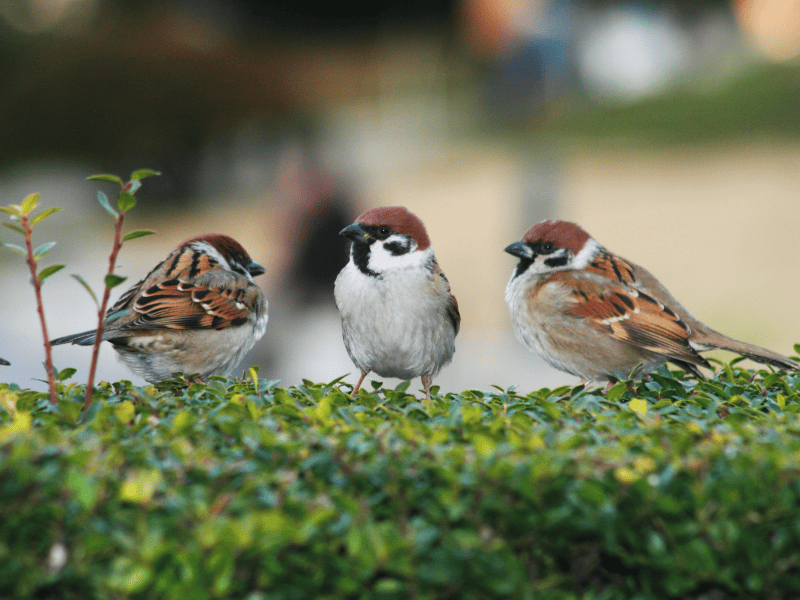
March 20 is marked as World Sparrow Day. House sparrows used to thrive in human settlements around the world until recently, but their numbers have drastically declined, indicating environmental distress. Not just sparrows, but sunbirds, bee-eaters, bulbuls, munias and other species are all impacted. Unleaded petrol, pesticides and herbicides are impacting the birds and their food sources, while the growth of the glass and concrete jungle robs them of their secure nesting places and creates a “heat island” that is a difficult environment especially for small animals.
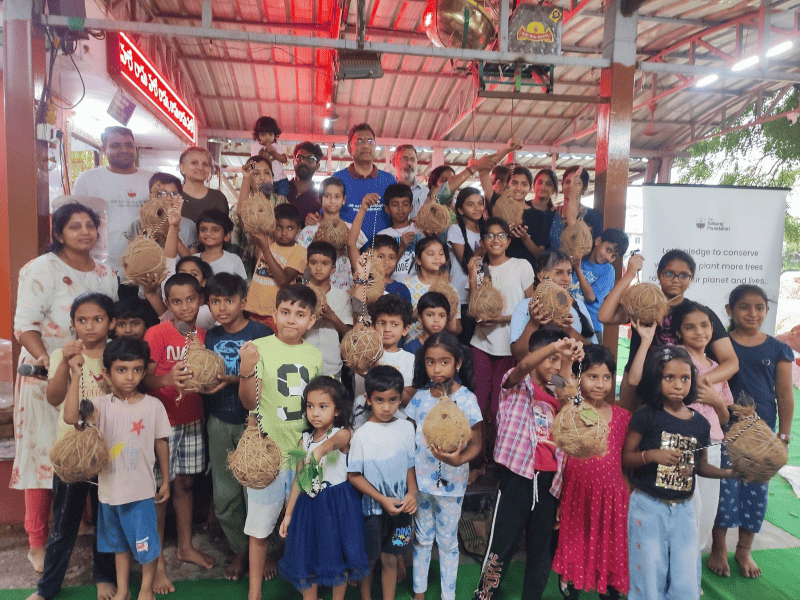
At the heart of The Satsang Foundation’s MyTree initiative is a simple yet profound philosophy: Maitri (friendship) towards all living beings. When we plant a tree, we are not merely putting a sapling into the ground; we are inviting an entire ecosystem to take root. Among the most cherished guests in this green sanctuary are small birds ― the sparrows, bulbuls, munias, and sunbirds ― whose presence is a litmus test for the health of our environment.
The Silent Sowers: Birds as Agents of Life
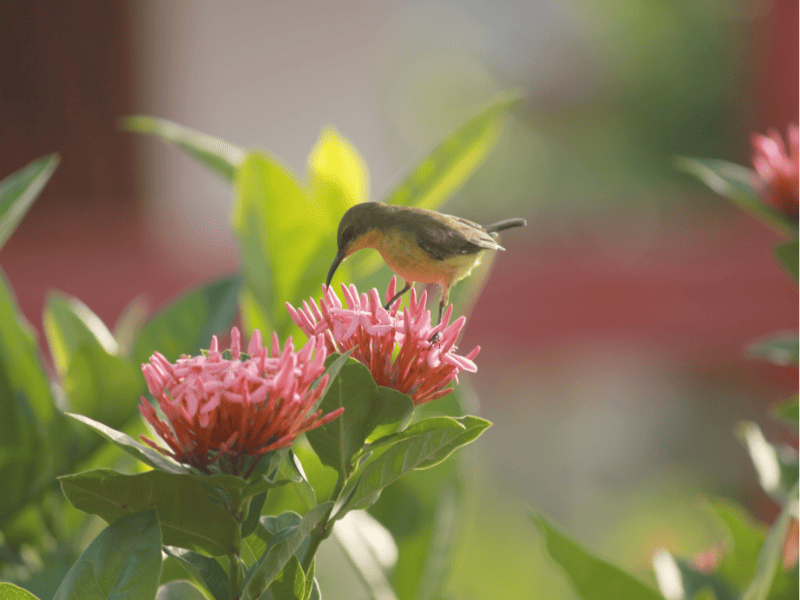
Often, we think of ourselves as the primary planters of trees. However, nature has its own diligent workforce. Small birds are vital agents for the propagation of green cover. As they flit from tree to tree, feeding on fruits and seeds, they act as “silent sowers.” Through their digestive processes, seeds are scarified and dispersed across distances, often landing in fertile patches where human hands might never reach.
Beyond propagation, these birds are pillars of ecological stability. They act as natural pest controllers, keeping insect populations in check without the need for toxic chemicals. By maintaining this delicate balance, they ensure that the flora remains healthy and resilient. To protect them is to protect the very cycle of life that sustains us.
Creating a Sanctuary: What to Plant
If you wish to encourage these feathered friends to return to your garden, balcony, or community space, consider a layout that provides food, safety, and a place to rest.
1. The Divine Larder: Food Sources
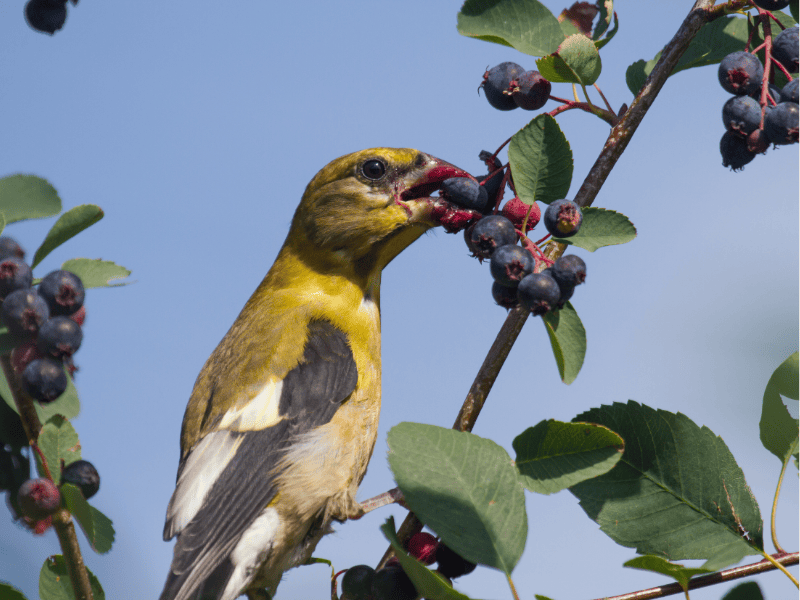
A bird-friendly garden is one that offers a year-round buffet of seeds, berries, and nectar:
- Sacred & Nutritious: Tulsi (Ocimum sanctum) is a favorite for sparrows and munias, while Indian Mustard and Sorghum provide the energy-rich seeds they crave.
- The Gift of Fruit: Plant trees such as Indian Cherry (Strawberry Tree), Ber (Indian jujube), or Jamun. These trees provide sweet rewards that attract a variety of songbirds.
- Floral Feasts: Sunflowers, Marigolds, Zinnias and seasonal flowers not only brighten our homes but serve as “bird magnets” by producing seeds and attracting beneficial insects.
2. Sacred Shelter: Nesting & Protection
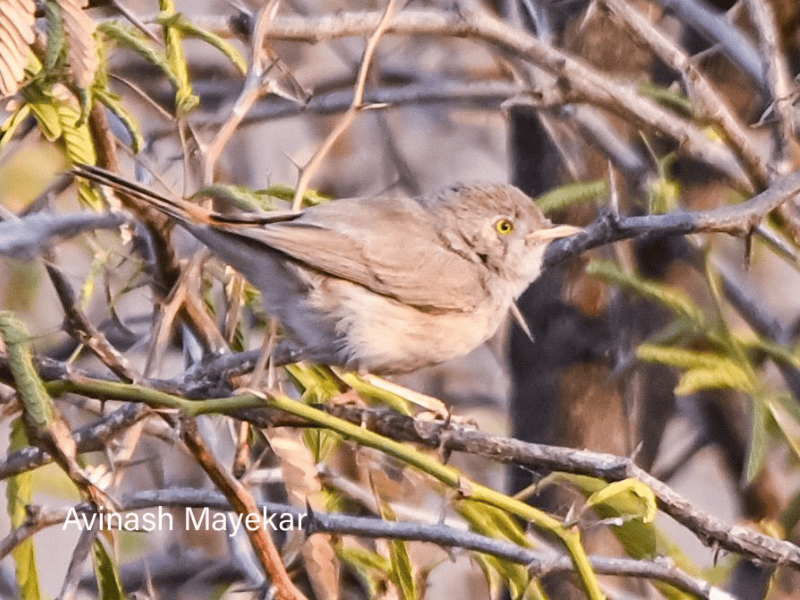
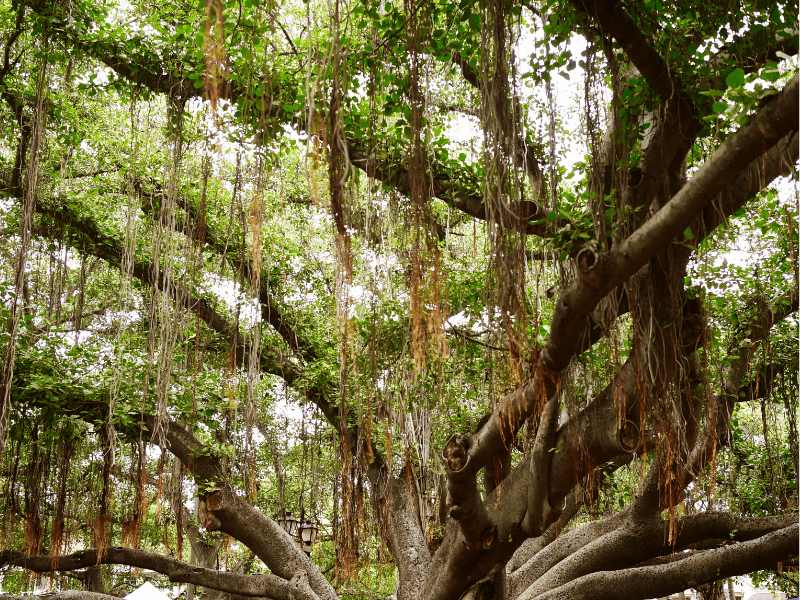
Birds need more than just food; they need a sanctuary from predators and the elements:
- Dense Cover: Bamboo and native grasses like Panicum offer excellent structural shelter.
- Thorny Protection: Trees and shrubs such as babool (gum arabic), Bougainvillea or Hedge Caper (Capparis sepiaria) create safe “fortresses” where small birds can nest, shielded from larger predators.
- Vertical Greenery: Native creepers like Madhumalti (Honey Suckle) and Purple Wreath provide shaded roosting spots and safety.
- The Guardians: If space permits, the Banyan (Ficus benghalensis) or Semal (Bombax ceiba) act as urban anchors, providing perches and nesting sites within their vast canopies.
Simple Acts of Seva for Nature
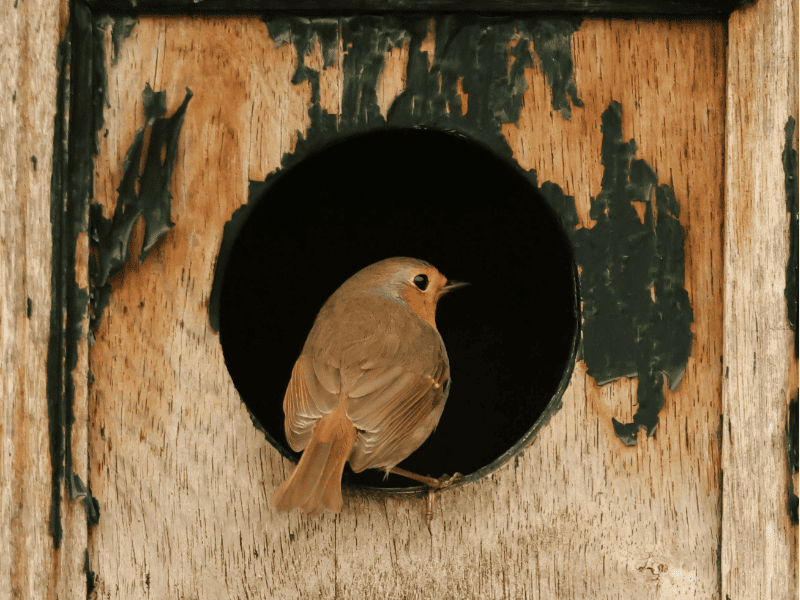
Rewilding our spaces doesn’t require grand gestures; it requires mindful living. Here is how you can enhance your MyTree habitat:
- Offer Artificial Homes: Install wooden or jute nest boxes about 10–12 feet high. In urban areas, these provide a secure alternative to disappearing natural hollows.
- The Gift of Water: A simple, shallow earthen birdbath can be a lifesaver, especially during the scorching summer months.
- Practice Ahimsa in Gardening: Limit or eliminate pesticide use. This allows the insect population to thrive, which is the primary source of nutrition for growing chicks.
- Leave the Leaves: Allow leaf litter and dry twigs to remain. These are not “mess” but essential foraging grounds for birds looking for insects.
A Call to Collective Action
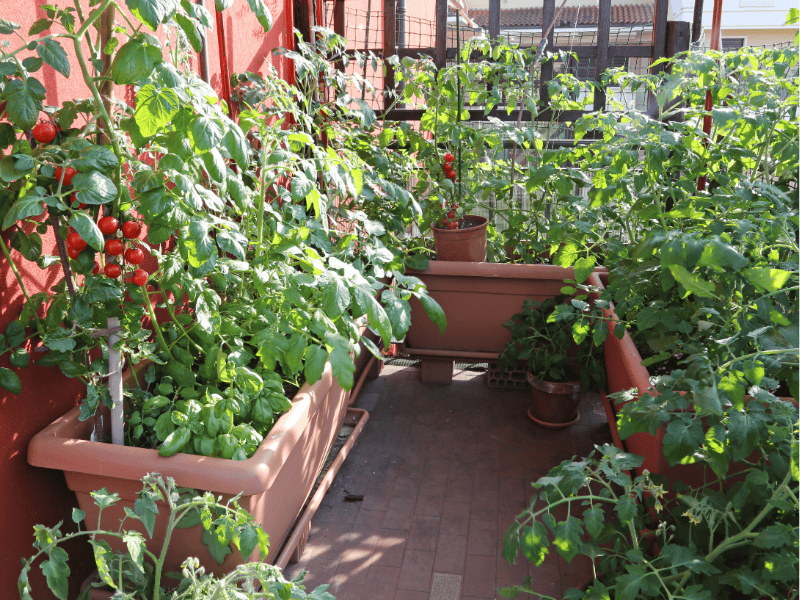
By blending seed-rich annuals, berry-bearing shrubs, and sturdy native trees, we do more than just plant; we create a “Maitri” space. As we nurture our trees, the birds will return, the seeds will spread, and the cycle of green cover will expand.
Let us turn our balconies, backyards, gardens, roadsides and parks into vibrant corridors of life. Every sparrow or other small bird species that returns to our windows is a sign that our planet is healing.
Join the MyTree movement. Plant a tree, invite a bird, and sustain the Earth.
Let us know if you have created a nesting hub for our little feathered friends, please share the details with us using this form: MyTree Nesting Hubs for our Winged Gardeners
Write to us at connect@satsang-foundation.org to work with us in healing our living environment.
