Whatever work you are doing, if you can give complete attention to that, you will also be able to do meditation with full attention.
More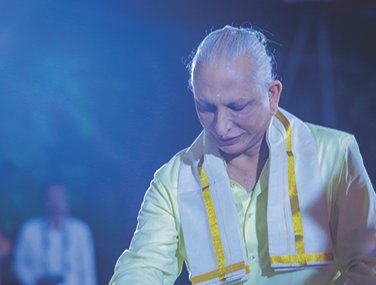

Whatever work you are doing, if you can give complete attention to that, you will also be able to do meditation with full attention.
More
One of the simple things people need to develop is single-pointed attention.
More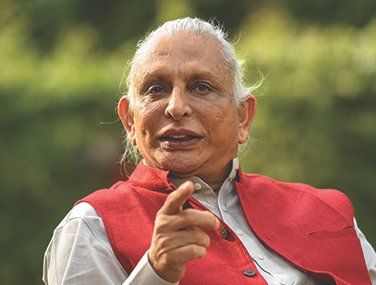
It’s good to learn from various sources. Just make sure that you don’t get caught up in it because some people are always shopping.
More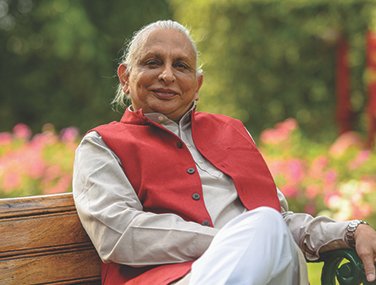
I decided, ‘I am walking on this path, it’s a lonely path’. Like Jesus Christ said, ‘It’s a straight and narrow path’.
More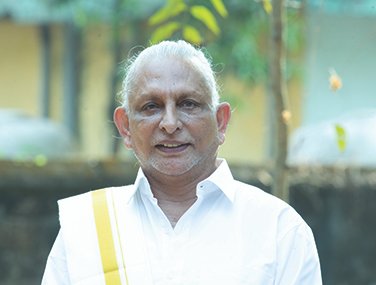
My intention was to find the truth, and nothing but the truth.
More
Why not think of spiritual development as something where we need to put in a lot of work?
More
Great teachers are always there to guide you through the turbulence of the churning yet not spoon-feed you.
More
Babaji has said that the difficult time humanity is going through is like the churning of the ocean – Samudra Manthan.
More
The idea is that every human being evolves and reaches perfection ultimately.
More
What we see in this world today is a result of the lopsided development of the frontal lobe.
More
There are some rules of life one should follow before starting the practice.
More
Tamo guna through service, evolves to Sattva and the mind becomes purified.
More
The more you help, the purer you become, and the clearer your mind becomes.
More
By serving somebody, you are doing nothing actually. The person whom you serve is giving you an opportunity to evolve.
More
No one can spiritually advance by simply sitting down cross-legged and meditating 24 hours.
More