
Across India, one often encounters a striking sight — two or three trees growing from the same pit, their trunks entwined as if in quiet companionship. Such groupings are not accidental; they are often revered as sacred. Along the banks of the Ganga at Haridwar, for instance, one can find centuries-old Peepal, Banyan, and Mango trees rising together, worshipped as living shrines. Their shared roots and interwoven canopies invite reflection on the deeper meaning of coexistence in nature.
One is left wondering what makes such growing together to be auspicious.
In many rural traditions, it has long been customary to “wed” a Peepal and a Neem tree by planting them together. This practice carries both symbolic and ecological significance. Similarly, at Dakshineshwar in West Bengal, Sri Ramakrishna established a sacred Panchavati by planting five trees—Ashwatha (Peepal), Vata (Banyan), Neem, Amla, and Bel—in close proximity. Although these trees were not planted in the same pit, over time the Peepal and Banyan have grown so closely intertwined that they appear to share a single womb. Sri Ramakrishna would often encourage his monastic disciples to meditate in this sacred grove, recognising the profound spiritual energy generated by such living ecosystems.
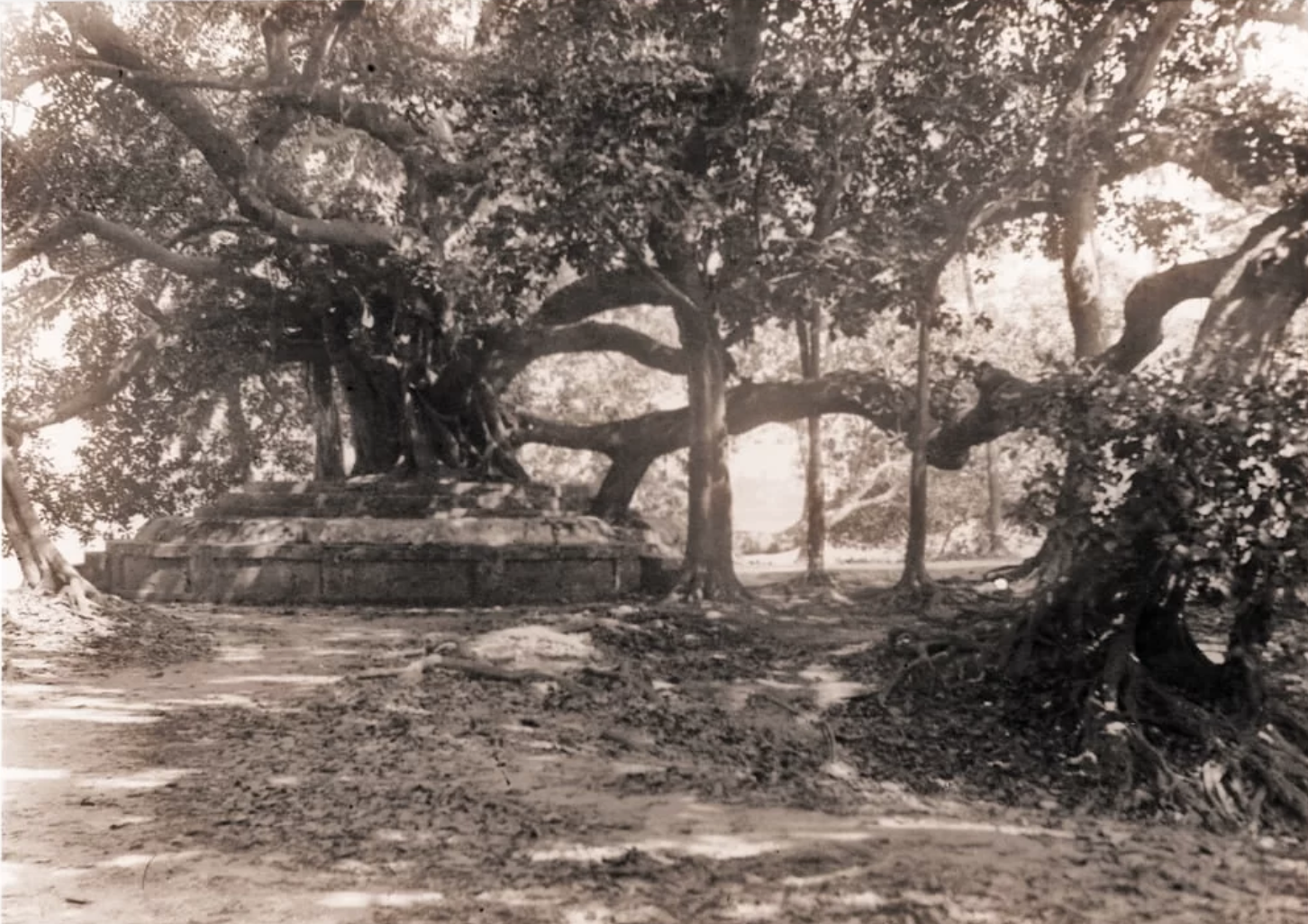
If we are to look for scientific explanations for the auspiciousness attributed to the trees in addition to their cultural and religious values in India, it is to be noted that Peepal and Banyan trees are among the highest oxygen-producing species, with the Peepal believed to release oxygen even at night due to its unique photosynthetic properties. Neem is valued not only for its oxygen output but also for its medicinal qualities. Trees like Amla and Bilva are known for their nutrient-rich fruits and therapeutic benefits. Together, these species create a micro-ecology that supports both physical health and environmental balance.
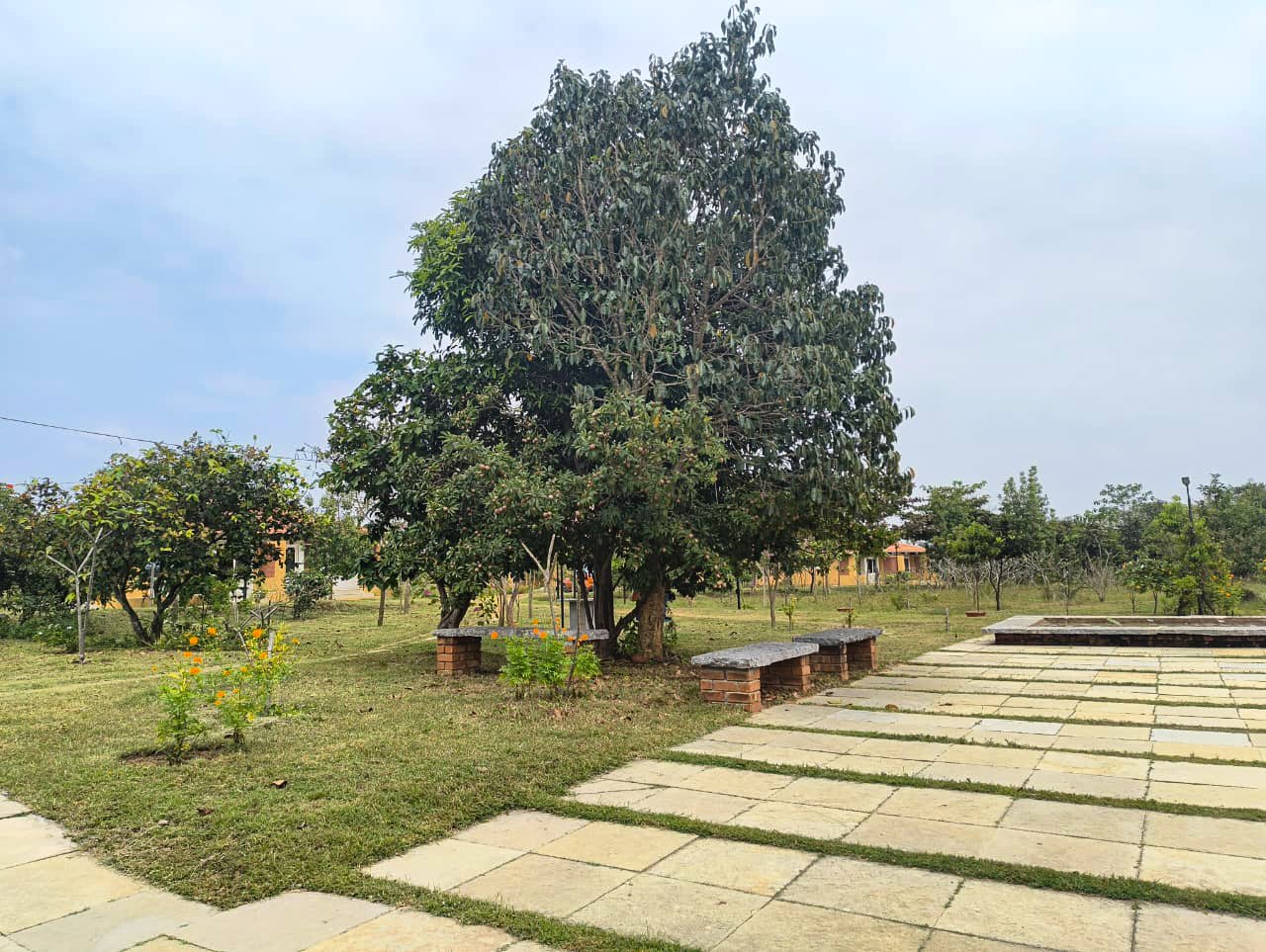
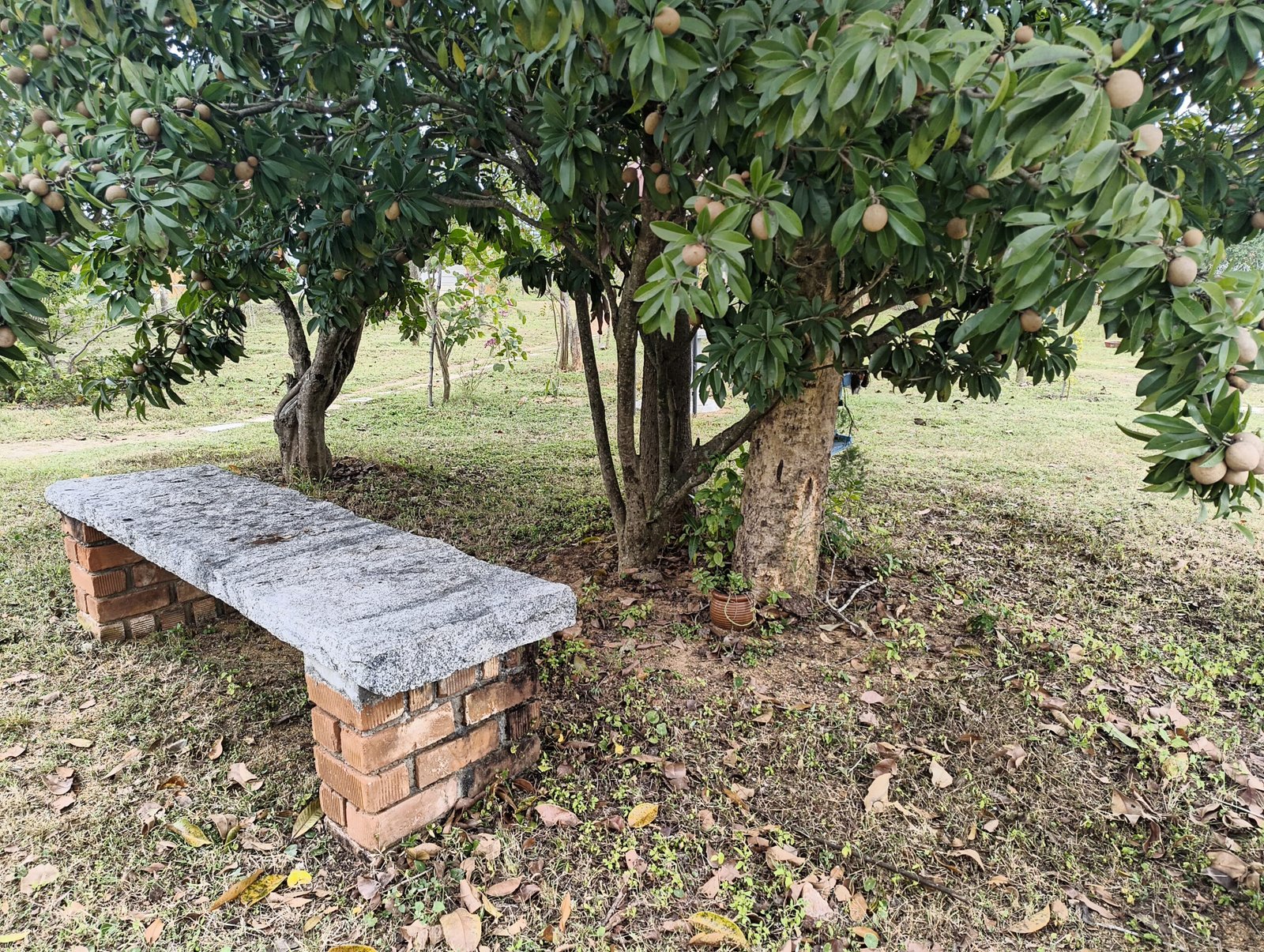
At The Sacred Grove, a similar phenomenon can be observed. The land, previously owned by a farmer, already held examples of multiple trees growing from a single pit—Mango, Jamun, and Water Apple thriving together and bearing fruit in different seasons. This ensured a continuous cycle of nourishment throughout the year. Such traditional agricultural wisdom may also have had a practical basis: in regions like Rayalaseema, known for strong winds, planting trees together allows their root systems to intertwine, offering greater stability and protection against harsh weather.
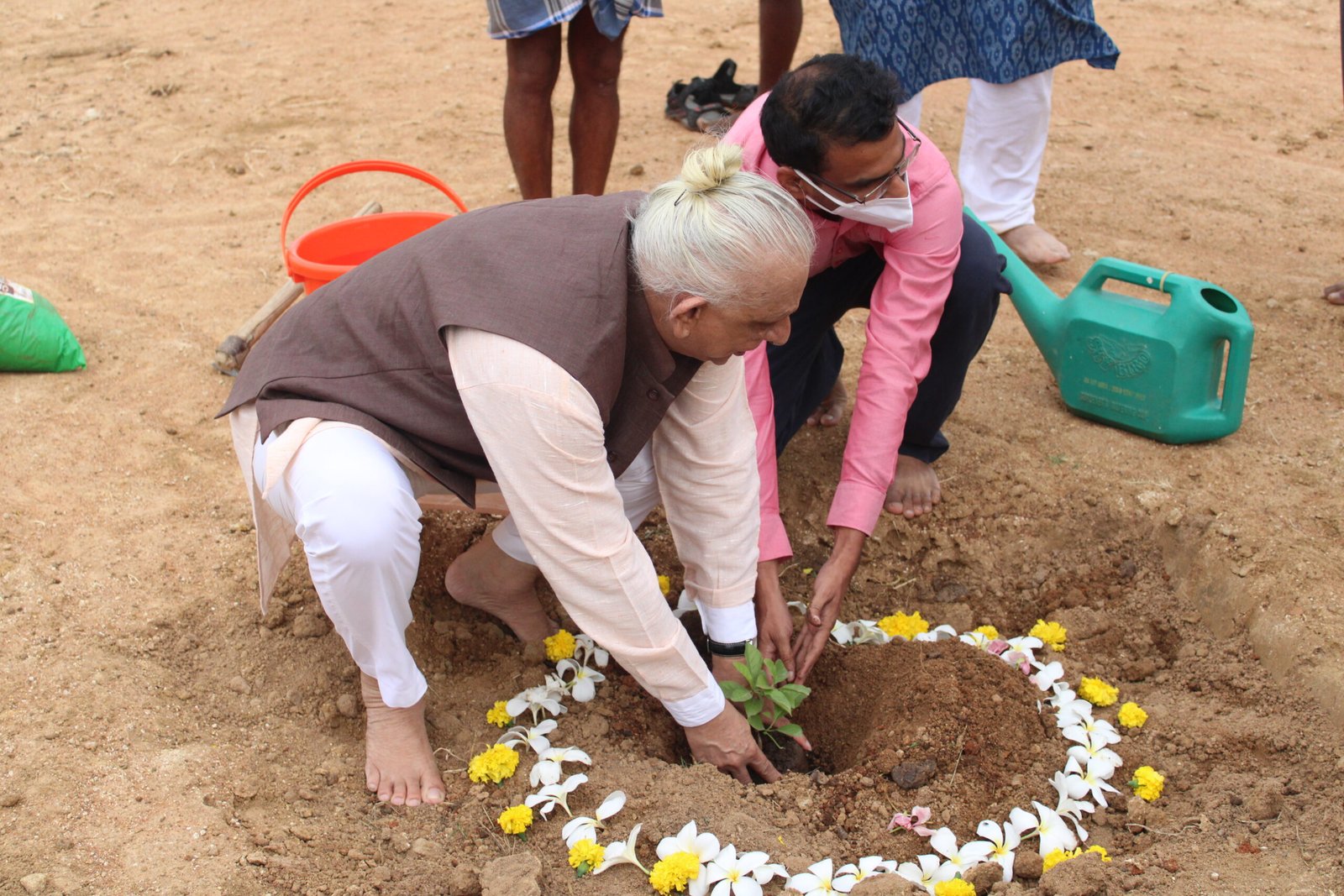
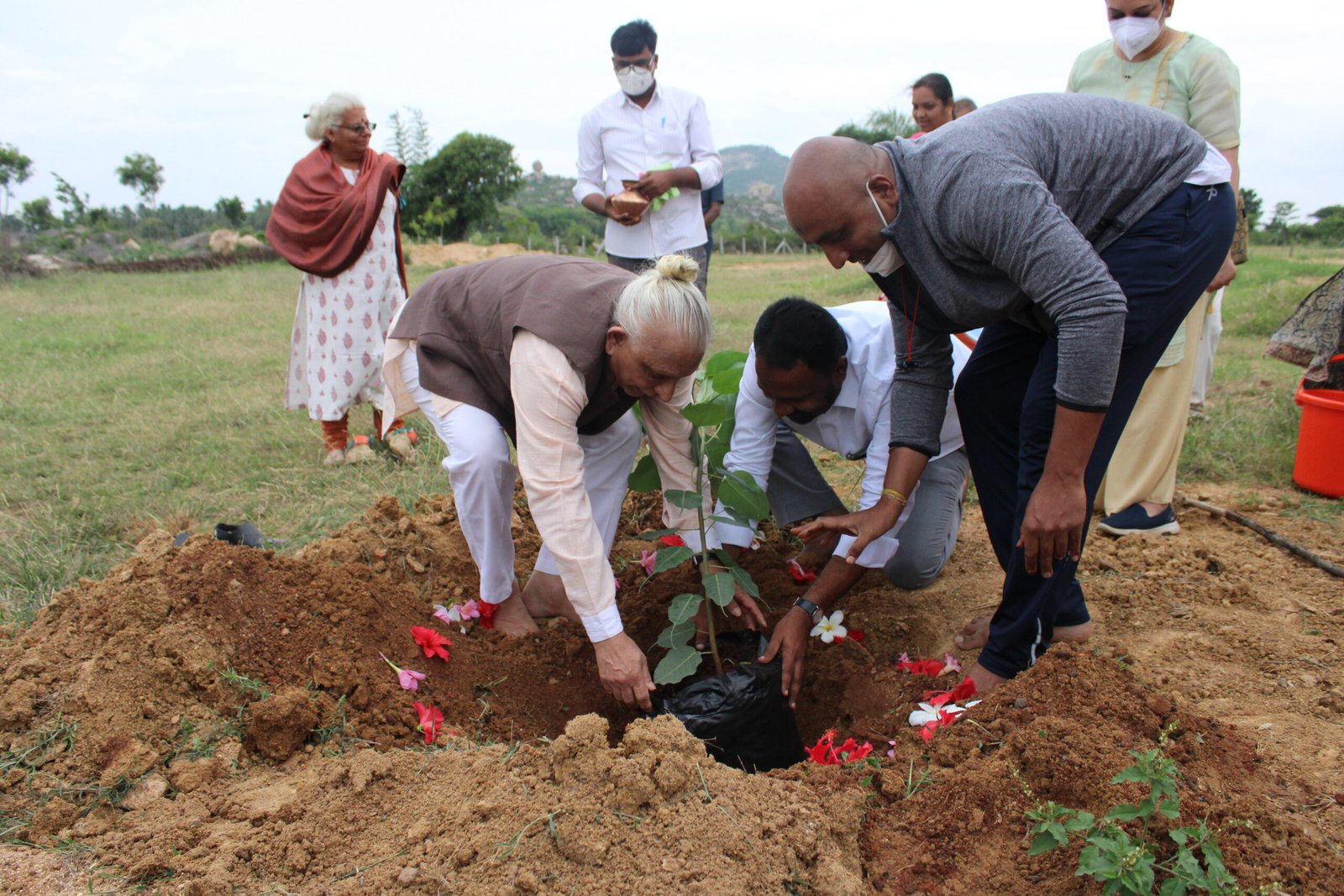
With faith in the ancient wisdom and inspired by Sri Ramakrishna’s Panchavati, at The Sacred Grove, in April 2022, Sri M was requested to plant 3 trees – Rudraksh, Peepal, and Neem trees together in a large pit. After planting these three, he blessed them to grow together. In his words the emphasis was on growing together.
More research is required to understand the scientific value of planting the trees together and in close proximity, at times referred to as companionship planting.
Today, the blessing continues to unfold. The Rudraksha tree, planted alongside the Peepal and Neem, began bearing Panchmukhi Rudraksha fruits within a year—an occurrence that filled many with quiet awe. It continues to flourish abundantly. Nearby, a graceful dancing Ganesha now stands, embodying joy, movement, and divine playfulness, gently reminding all who visit to receive whatever life offers with openness and trust.
Together, these trees stand not merely as botanical companions but as living symbols of unity, balance, and grace—rooted in the earth, growing toward the sky, and silently teaching the wisdom of coexistence.
To know more about The Sacred Grove at Chowdepalle, visit the website.
