
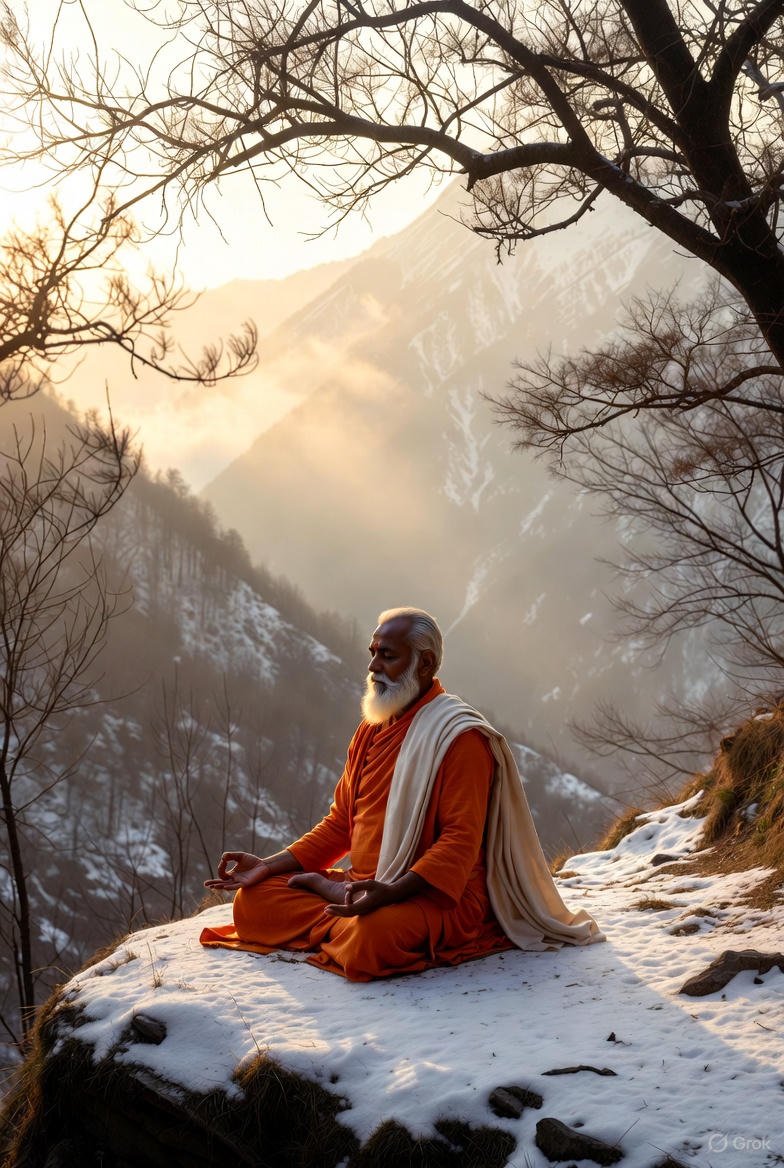
Winter, or Hemant Ritu & Shishir Ritu in Ayurveda, is a season that invites stillness and introspection. The natural world withdraws into rest and the air turns crisp & heavy. According to Ayurvedic philosophy, this period is dominated by the Kapha dosha, characterised by qualities of coldness, heaviness, and stability, and to some extent also Vata, with its dry and mobile nature. In such a climate, both body and mind can become sluggish, stiff, and prone to imbalance if not carefully attended to.
Yoga, in its traditional sense, offers a profound means to harmonise with the season’s rhythm, nurturing warmth and balance within.
Ayurvedic Understanding of Winter
In classical Ayurvedic texts such as the Charaka Saṃhitā and Ashtanga Hridaya, winter is seen as the time of year when agni (digestive fire) is strongest, yet Kapha accumulates due to the cold and damp qualities of the environment. To maintain health, Ayurveda recommends warming, grounding routines that stimulate circulation while pacifying excess Kapha and Vata.
The Charaka Saṃhitā advises:
“During Hemanta Ritu, one should take unctuous, sour, and salty food and drink, and should indulge in exercise and oil massage.” (Charaka Saṃhitā, Sūtrasthāna 6.8–10)
This ancient guidance parallels the yogic approach: encouraging warmth, activity, and mindful self-care.
Yoga Practice for the Winter Season
In winter, yoga practice should emphasise warming & invigorating asanas that kindle the internal fire (agni) and stimulate the flow of prana. Yet, this physical vigour must be balanced with grounding postures and conscious relaxation to stabilise Vata and Kapha.
Recommended Asanas
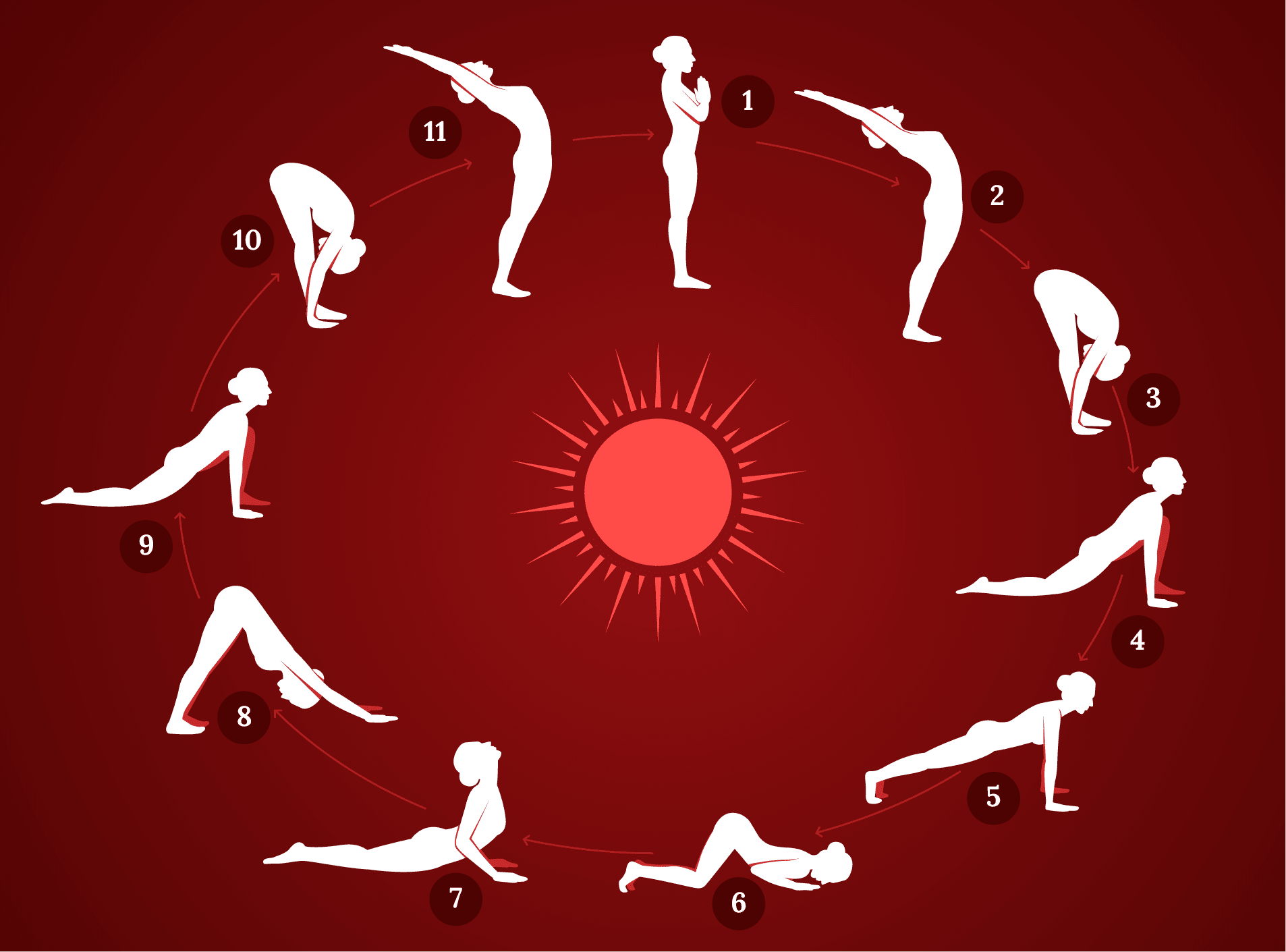
Sun Salutations (Surya Namaskar): Traditionally practiced at dawn, sun salutations generate internal heat and awaken solar energy within the body.
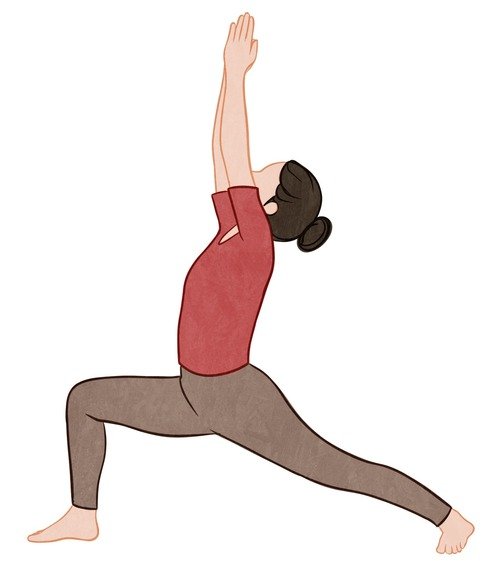
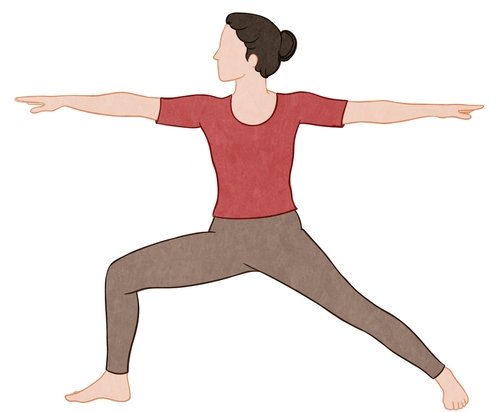
Warrior Poses (Virabhadrasana I & II): Strengthen the legs and build steadiness, qualities associated with Kapha balance.
Twisting Postures (Ardha Matsyendrasana, Parivrtta Trikonasana): Aid digestion and detoxification, supporting the body’s natural elimination processes.


Backbends (Bhujangasana, Ustrasana): Open the chest and stimulate prana in the heart region, countering the heaviness and lethargy of Kapha.


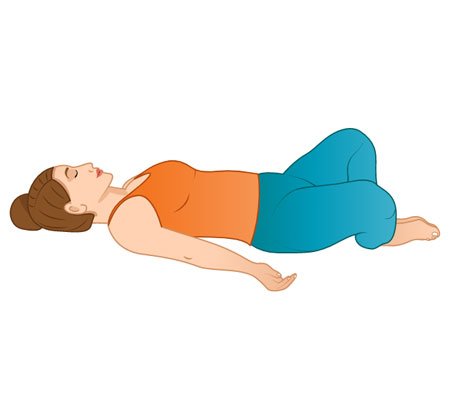
Restorative Poses (Viparita Karani, Supta Baddha Konasana): Soothe the nervous system and pacify Vata when the day’s energy wanes.

Pranayama and Breath Practices
Breathwork (prāṇāyāma) is particularly valuable in the winter season. Common practices such as Kapalabhati (Skull-Shining Breath) and Bhastrika (Bellows Breath) build inner warmth and vitality, helping dispel the dullness that often accompanies cold weather.
Some pranayamas particularly generate heat in the body. Examples of these are:
Sūrya Bhedana Prāṇāyāma (Right-nostril breathing): The word “Sūrya” means “sun,” representing warmth and vitality. In this technique, you inhale through the right nostril and exhale through the left, channeling energy through the Pingala Nadi which is linked to the sun and carries heating & activating energy.

Agnisāra Kriyā: “Agni-sāra” means movement (sāra) of fire (agni). This technique involves rhythmic contraction/relaxation of the abdomen (often with breath retention), which stimulates the digestive fire, the abdominal organs and metabolism.
Ujjayi Prāṇāyāma: Ujjayi means “victorious” or “to conquer.” This name reflects the mastery it cultivates: over the breath, the senses, and the restless mind. Unlike the rapid or forceful heat-building techniques, Ujjayi generates warmth through steady, mindful control. It involves slow nasal breathing with a slight throat constriction that produces a soothing, wave-like sound. Because Ujjayi focuses specifically on the throat, it also helps in clearing the air pathway by removing the phlegm, which often is accumulated due to excess Kapha, more so during cold weather.

To balance the internal fire, alternate with calming practices such as Nadi Shodhana (Alternate Nostril Breathing), which harmonise the flow of energy and calm the mind.
Lifestyle Integration (Dinacharya)
A true winter yoga practice extends beyond the mat. According to Ayurveda, a daily routine (dinacharya) in winter should include:
- Abhyanga (Oil Massage): Using warm sesame oil to nourish the skin and joints, countering the dryness of Vata.
- Warm, Nourishing Meals: Incorporating ghee for internal lubrication, consuming seasonal vegetables, root vegetables, sesame seeds, and warming spices such as ginger, turmeric and cinnamon.
- Adequate Rest and Meditation: Honoring the body’s natural call for introspection and stillness during the longer nights.
- Regular Sleep Schedule: Maintaining consistency in rest supports Kapha balance and mental clarity.
Winter, far from being a time of dormancy, is a sacred pause: a season for restoration and contemplation. It offers an opportunity for turning inward. Just as nature conserves its energy beneath the surface, the practitioner, too, is invited to explore stillness through meditation. This is the essence of yoga’s deeper aim, not merely to stretch or strengthen, but to realise inner balance and unity. What better time than the quietude of winter to engage in this practice?
Both Ayurveda and Yoga teach alignment with nature’s rhythms. When we engage in warming, mindful practices and nourish ourselves with intention, we honour the cyclical wisdom of life itself.
